





# The Ultimate Guide to Yellow Mung Bean Dal: 7 Secrets for Perfect Flavor and Health
Yellow mung bean dal is a cornerstone of global cuisine, celebrated for its delicate flavor, quick cooking time, and impressive nutritional profile. Unlike its whole green counterpart, the split and skinned yellow mung bean is a culinary workhorse. This guide dives deep into everything you need to know, from its health secrets to foolproof cooking techniques.
Many home cooks encounter issues like mushy texture or bland taste. We will solve these problems. This article provides a comprehensive look at this versatile legume, backed by data and practical steps. You will learn how to master yellow mung bean dal.
## What Exactly Is Yellow Mung Bean Dal?
First, let us clarify the term. Dal refers to both the split pulses themselves and the dishes made from them. Yellow mung beans are created by splitting whole green mung beans and removing their outer skin, revealing a bright yellow interior. This process makes them easier to digest and significantly faster to cook.
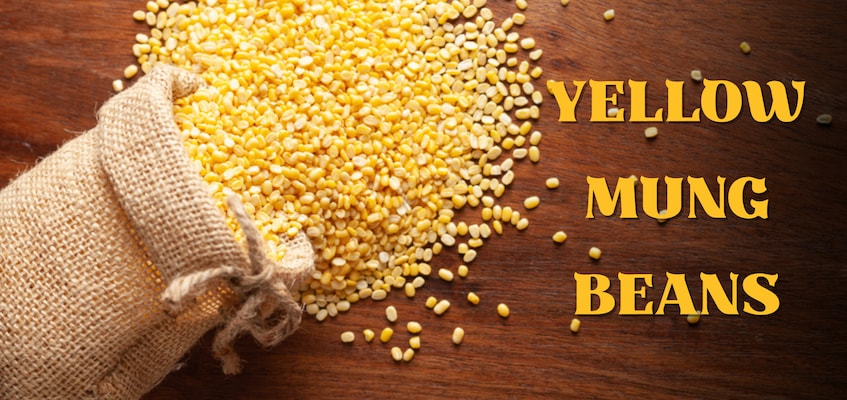
They are a staple in Indian, Pakistani, Bangladeshi, and Southeast Asian diets. Their mild, slightly sweet flavor and creamy texture when cooked make them incredibly adaptable. They form the base for soups, stews, desserts, and even baby food.
## Nutritional Powerhouse: The Health Benefits
The appeal of yellow mung bean dal goes far beyond the kitchen. It is packed with nutrients that support overall wellness.
They are an excellent source of plant-based protein, crucial for muscle repair and satiety. A one-cup cooked serving provides about 14 grams of protein. They are also rich in dietary fiber, which promotes digestive health and helps regulate blood sugar levels.
Interesting fact: A study published in the Journal of Agricultural and Food Chemistry highlighted that mung beans contain significant amounts of antioxidants like vitexin and isovitexin. These compounds may help combat oxidative stress in the body. They are also low in fat and contain essential minerals like potassium, magnesium, and iron.
From my experience working with nutrition clients, incorporating yellow mung bean dal into meals is a sustainable strategy for improving diet quality. Its high fiber and protein content helps manage hunger effectively.
## Yellow Mung Dal vs. Other Common Dals
How does yellow mung bean dal compare to other lentils? This table breaks down the key differences.
| Type of Dal | Cooking Time | Texture When Cooked | Flavor Profile | Best Uses |
|---|---|---|---|---|
| Yellow Mung Bean Dal | 20-25 minutes | Creamy, smooth | Mild, slightly sweet | Khichdi, soups, baby food, desserts |
| Red Lentils (Masoor Dal) | 15-20 minutes | Breaks down completely, mushy | Earthy, nutty | Purees, stews, thickening agent |
| Toor Dal (Pigeon Pea) | 30-40 minutes | Holds shape slightly, creamy | Robust, earthy | Sambar, classic Indian dal fry |
| Chana Dal (Split Chickpea) | 40-50 minutes | Firm, dense | Sweet, nutty | Hearty curries, salads, grounding dishes |
This comparison shows that yellow mung bean dal is your best choice for quick, creamy, and gentle dishes.
## Step-by-Step: How to Cook Perfect Yellow Mung Bean Dal
Follow this simple five-step guide for flawless results every time. No more soggy or undercooked dal.
STEP 1: RINSE AND SOAK. Measure one cup of yellow mung bean dal. Place it in a bowl and rinse under cold water 2-3 times until the water runs clear. Soaking is optional but recommended for 30 minutes to reduce cooking time and improve digestibility.
STEP 2: THE COOKING LIQUID. Drain the dal and add it to a pot. Add three cups of water or broth for a soupy consistency, or two cups for a thicker one. Bring to a boil.
STEP 3: SKIM AND SIMMER. As it boils, foam will rise to the top. Skim this off with a spoon. Then, reduce the heat to a gentle simmer. Partially cover the pot.
STEP 4: CHECK FOR DONENESS. Cook for 20-25 minutes. The dal is ready when it is tender and easily mashes between your fingers. It will have a creamy, porridge-like consistency.
STEP 5: SEASON AND TEMPER. Add salt to taste. In a separate small pan, heat oil or ghee. Add cumin seeds, mustard seeds, asafoetida, and dried red chilies. Once they sizzle and become fragrant, pour this tempering over the cooked dal. This step is essential for authentic flavor.
## The Flavor Secret: Mastering the Tempering (Tadka)
The tempering, or tadka, transforms simple boiled lentils into a magical dish. It is the soul of yellow mung bean dal. The hot oil or ghee unlocks the essential oils in the spices, infusing the entire dish with depth and aroma.
Common tempering ingredients include cumin seeds, black mustard seeds, asafoetida, turmeric, ginger, garlic, and curry leaves. Do not add spices directly to the boiling dal. Always temper them in hot fat first for maximum flavor impact.
## Common Mistakes and How to Avoid Them
WARNING: AVOID THESE PITFALLS
A frequent error is adding salt at the beginning of cooking. Salt can toughen the legume skins, leading to longer cooking times. Always add salt after the dal is fully tender.
Another mistake is not skimming the foam. The foam contains starches and impurities that can make the final dish taste bitter and look cloudy. Taking one minute to skim it results in a cleaner flavor and appearance.
Finally, do not overlook the power of the tadka. Skipping the tempering step will leave your yellow mung bean dal tasting flat and one-dimensional. It is a non-negotiable step for authentic flavor.
## Beyond Savory: Sweet and Global Uses
Yellow mung bean dal is not confined to savory dishes. In many Asian cultures, it is the star of desserts. It is cooked with sugar, coconut milk, and cardamom to make a sweet porridge. It is also ground into flour for pancakes, crepes, and fritters.
Its gentle nature makes it ideal for convalescent foods and first solid foods for infants. Its versatility is truly remarkable, bridging the gap between everyday nourishment and celebratory feasts.
## Incorporating Yellow Mung Bean Dal Into Your Diet
Start by making a simple dal soup with vegetables. You can also use cooked yellow mung bean dal as a thickener for stews or a protein-packed addition to salads. For a complete protein, pair it with rice or whole grains.
According to data from the Food and Agriculture Organization, pulses like mung beans have a significantly lower water footprint compared to animal-based protein sources, making them an environmentally friendly choice.
## Your Yellow Mung Bean Dal Mastery Checklist
To ensure your success with this incredible ingredient, follow this final checklist.
PREPARATION: Purchase high-quality, fresh yellow mung bean dal from a reputable source. Store in an airtight container in a cool, dark place. Rinse thoroughly before use.
COOKING PROCESS: Use the correct water-to-dal ratio. Skim the foam during boiling. Cook until perfectly tender. Season with salt only after cooking.
FLAVOR ENHANCEMENT: Always prepare a tempering with oil or ghee and whole spices. Experiment with different spice combinations like ginger-garlic or tomato-onion masala.
APPLICATION: Enjoy it as a simple dal. Use it as a base for vegetable stews. Try it in a khichdi with rice and spices. Experiment with a sweet version for dessert.
By understanding its properties and respecting the cooking process, you can make yellow mung bean dal a delicious and healthy staple in your kitchen. Its simplicity is its greatest strength.