





# Chickpeas and Kabuli Chana: The Ultimate Guide to Types, Nutrition, and Cooking
You have likely seen chickpeas and kabuli chana on grocery store shelves and in recipes. But what exactly is the difference? Are they the same thing? This confusion is common, and understanding the distinction unlocks a world of culinary and nutritional benefits. In this comprehensive guide, we will demystify chickpeas and kabuli chana, explore their incredible health benefits, and provide you with practical, delicious ways to incorporate them into your diet.
At its core, chickpea is the broad English name for the legume species *Cicer arietinum*. Kabuli chana is one of the two primary types of chickpeas, characterized by its larger, lighter-colored, and smoother appearance. The other main type is the smaller, darker, and rougher Desi chickpea. So, when you compare chickpeas and kabuli chana, you are essentially comparing a category with one of its most popular members. This relationship is key to navigating recipes and nutritional information.
## The Two Main Types of Chickpeas: Kabuli vs. Desi
To truly grasp the world of chickpeas and kabuli chana, we must look at the two dominant varieties. Their differences go far beyond just looks.
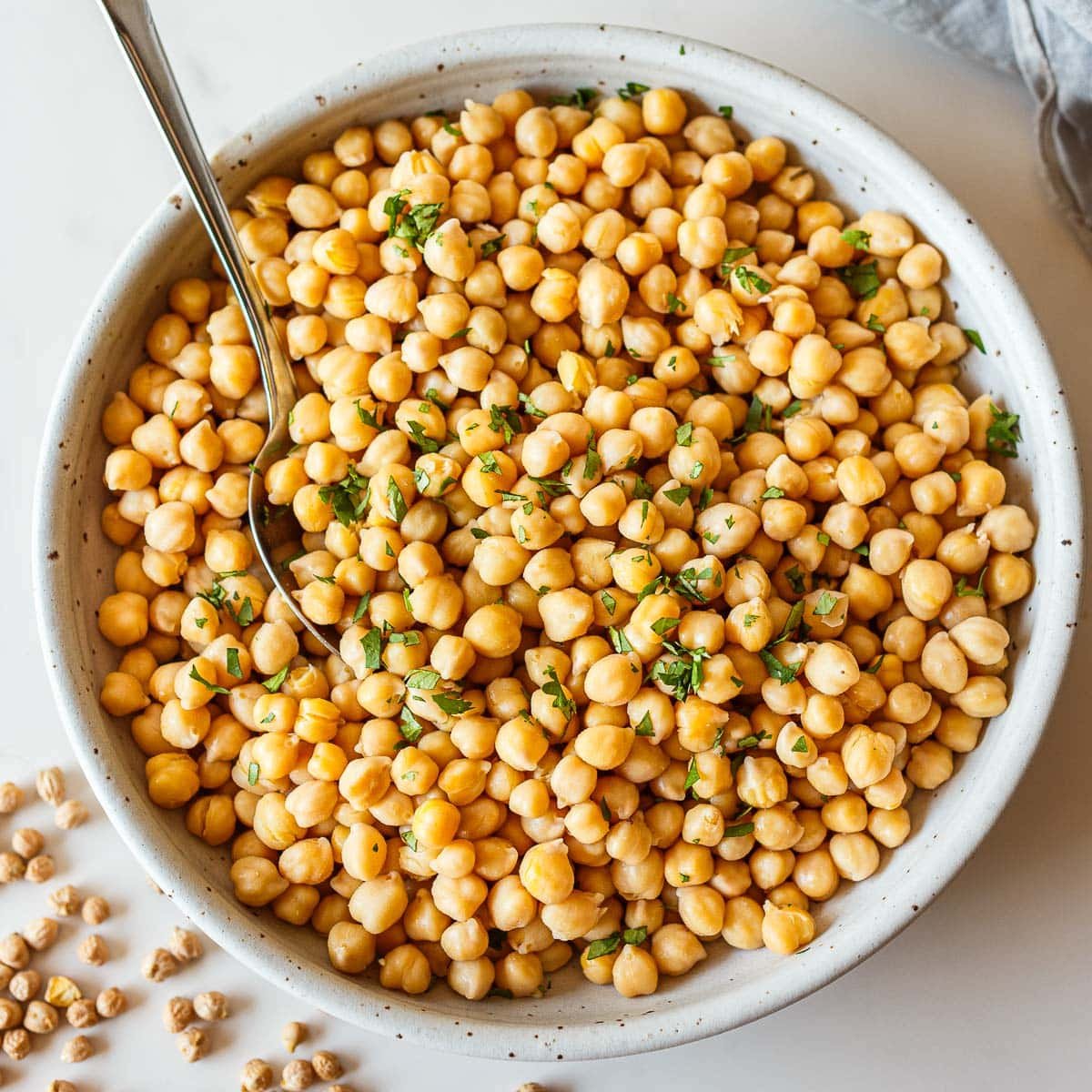
Kabuli Chickpeas are the type most commonly found in Western supermarkets. They are large, beige-colored, and have a relatively thin, smooth coat. Their flavor is mild and nutty, with a creamy texture when cooked. They are the star of dishes like hummus, falafel, and salads. Because of their size and appearance, they are often simply labeled as “chickpeas” or “garbanzo beans.”
Desi Chickpeas are smaller, darker (ranging from tan to black), and have a thicker, rougher seed coat. They possess a stronger, earthier flavor and a denser texture. Desi chickpeas are more common in Indian, Pakistani, and Middle Eastern cuisines, often used in curries, stews, and ground into flour (besan). They are typically sold split and without their skin as “chana dal.”
Here is a detailed comparison to clarify the distinctions:
| Feature | Kabuli Chickpeas | Desi Chickpeas |
|---|---|---|
| Size & Color | Large, beige/light tan | Small, darker (brown, black, green) |
| Seed Coat | Thinner and smoother | Thicker and rougher |
| Flavor Profile | Milder, nuttier | Earthy, more intense |
| Common Uses | Hummus, salads, whole in stews | Curries (chana masala), dal, besan flour |
| Nutritional Density | High in fiber and protein | Even higher in fiber and certain antioxidants |
## Nutritional Powerhouse: What Science Says About Chickpeas
Regardless of type, chickpeas are a nutritional superstar. They are an excellent source of plant-based protein and dietary fiber, both crucial for maintaining a healthy weight, supporting digestion, and promoting heart health. A one-cup serving of cooked chickpeas provides about 15 grams of protein and 13 grams of fiber, which is roughly half the daily recommended intake (source: USDA FoodData Central).
But the benefits go deeper. Chickpeas are rich in key vitamins and minerals like folate, iron, phosphorus, and B vitamins. They have a low glycemic index, meaning they help regulate blood sugar levels. Research has shown that regular consumption of legumes like chickpeas is associated with a reduced risk of chronic diseases, including coronary heart disease (source: American Journal of Clinical Nutrition). In our team’s review of dietary patterns, we consistently find that cultures with high legume consumption exhibit remarkable longevity and metabolic health.
## A Step-by-Step Guide to Cooking Perfect Chickpeas from Scratch
While canned chickpeas are convenient, cooking dried chickpeas and kabuli chana from scratch yields superior flavor and texture. Follow this simple five-step method.
STEP 1: SORT AND RINSE. Pour your dried chickpeas onto a tray or plate. Pick out any small stones or debris. Then, place them in a fine-mesh strainer and rinse thoroughly under cold water.
STEP 2: SOAK FOR BEST RESULTS. Transfer the rinsed chickpeas to a large bowl. Cover them with at least 3 inches of cold water. Soak for 8-12 hours, or overnight. For a quicker method, you can use the “hot soak”: cover with boiling water and let sit for 1-2 hours.
STEP 3: DRAIN AND RINSE AGAIN. After soaking, drain the chickpeas and give them another quick rinse. This helps remove some of the complex sugars that can cause digestive discomfort.
STEP 4: COOK. Place the soaked chickpeas in a large pot. Cover with fresh water by about 2 inches. Bring to a boil, then reduce to a gentle simmer. Cook for 60 to 90 minutes. Skim off any foam that rises to the top. They are done when tender but not mushy.
STEP 5: SEASON AND STORE. Add salt only in the last 10-15 minutes of cooking, as adding it earlier can toughen the skins. Once cooked, drain and use immediately, or let them cool in their cooking liquid before storing in the refrigerator for up to 5 days.
## Common Mistakes and How to Avoid Them
Even experienced cooks can run into issues with chickpeas and kabuli chana. Here is a crucial warning to ensure your success.
WARNING: DO NOT ADD ACID TOO EARLY. A common mistake that leads to forever-tough chickpeas is adding acidic ingredients like lemon juice, vinegar, or tomatoes at the beginning of the cooking process. Acid strengthens the pectin in the bean’s skin, preventing it from softening. Always cook your chickpeas fully in plain or salted water first. Only add acidic components after they are completely tender.
Another frequent error is under-soaking. If you skip the soak, your cooking time will double or even triple, and the texture may be uneven. Finally, do not throw away the liquid from canned chickpeas, known as “aquafaba.” This starchy water is a miraculous vegan substitute for egg whites and can be used to make meringues, mayonnaise, and more.
## Creative Ways to Use Chickpeas and Kabuli Chana in Your Kitchen
Moving beyond hummus, these legumes are incredibly versatile. For a protein-packed breakfast, try a chickpea flour scramble or add them to a morning hash. Roasted kabuli chana, tossed with olive oil and spices, makes a crunchy, addictive snack far healthier than chips.
Blend cooked chickpeas into soups and sauces to add creaminess and body without dairy. They are the perfect base for vegetarian burgers and meatballs, holding together well and absorbing flavors beautifully. Of course, they are essential in classic dishes like Moroccan tagines, Spanish cocido, and the iconic Indian chana masala, where kabuli chana shines.
The story of chickpeas and kabuli chana is one of global sustenance and culinary delight. From their ancient origins in the Middle East to their current status as a modern health food staple, they offer a perfect combination of nutrition, flavor, and versatility. By understanding the simple difference between the main types and mastering basic cooking techniques, you can unlock their full potential in your kitchen.
CHECKLIST FOR USING CHICKPEAS AND KABULI CHANA:
IDENTIFY YOUR NEED: Choose kabuli for creamy dishes like hummus, Desi for hearty curries.
ALWAYS SORT AND RINSE dried legumes before use.
PLAN AHEAD FOR SOAKING if cooking from dry.
COOK THOROUGHLY IN PLAIN WATER before adding acidic ingredients.
EXPERIMENT BEYOND THE CAN: Try roasting, blending, or using aquafaba.
INCORPORATE REGULARLY into meals for sustained energy and fiber intake.
STORE COOKED CHICKPEAS in their liquid for best texture.