




# The Ultimate Guide to Luxury Brands Website Design: 7 Pillars for Digital Excellence
A luxury brands website is not just a digital storefront. It is the primary gateway to an exclusive world. It is where brand mythology meets meticulous craftsmanship, and where desire is cultivated before a purchase is ever made. In an era where over 70% of luxury sales are influenced by online interactions (来源: Bain & Company Luxury Study), a brand’s digital home must be an impeccable extension of its physical essence. This guide deconstructs the anatomy of a successful luxury website, providing a strategic blueprint for brands aiming to dominate the digital landscape.
We will move beyond aesthetics to explore the core functionalities, psychological triggers, and technical foundations that separate the iconic from the ordinary. Whether you are launching a new site or auditing an existing one, this framework is your essential roadmap.
## The Core Philosophy: Translating Luxury into Digital Code
The first mistake many make is treating a luxury website like any other e-commerce platform. The goal is not merely to sell, but to enchant. The user journey must feel like a curated experience, a private viewing. This requires a fundamental shift in mindset from conversion optimization to aspiration cultivation.
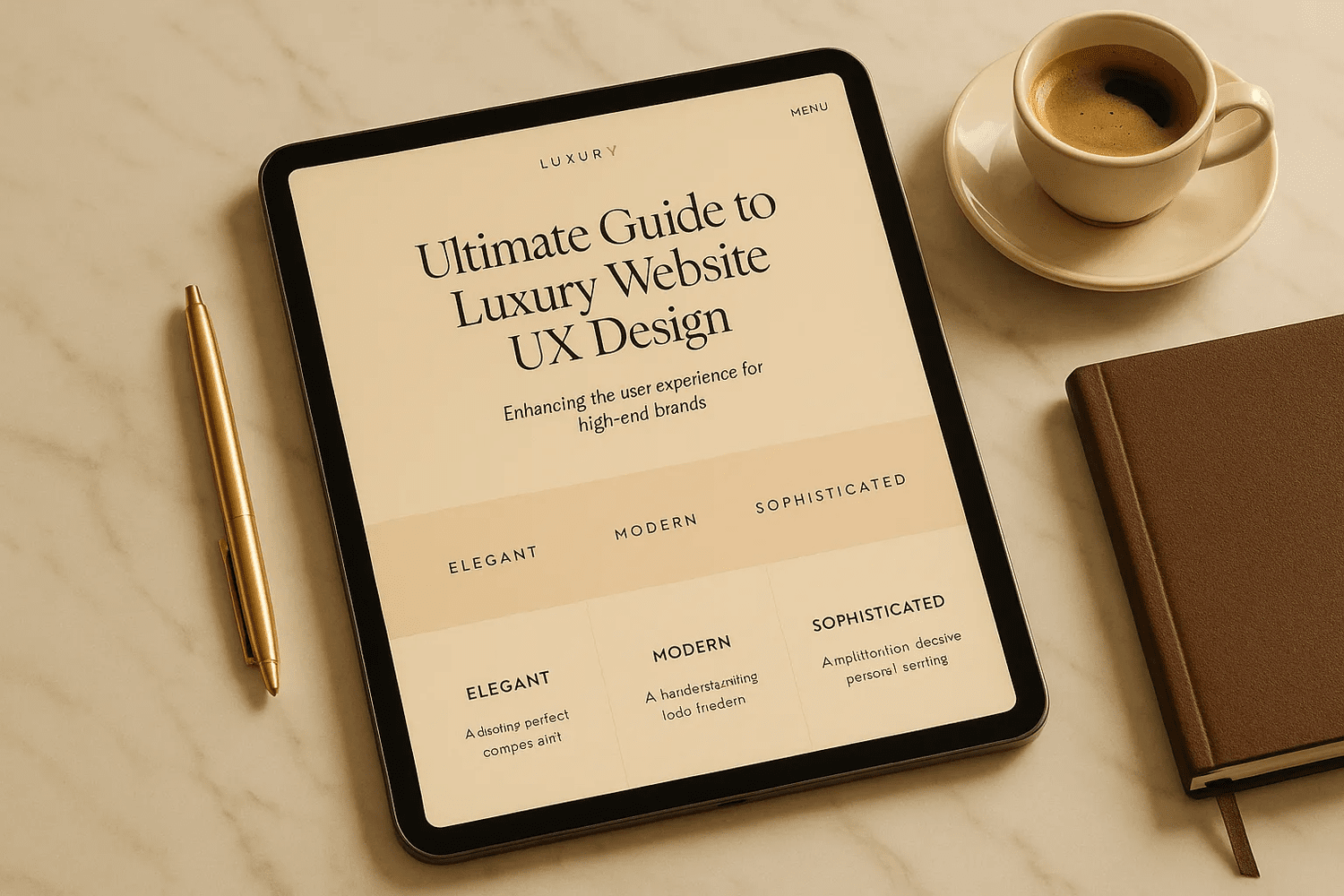
Key principles include exclusivity over accessibility, storytelling over specification listing, and emotional resonance over transactional efficiency. The website must whisper quality rather than shout discounts. Every pixel, every interaction, and every load time communicates your brand’s position.
## Pillar 1: Uncompromising Visual Identity and Imagery
Visuals are the undisputed king in the luxury digital space. Your imagery is your ambassador. It must be of the highest possible quality, often leaning into cinematic photography and videography. Think of slow-motion videos of fabric movement, ultra-high-resolution product zooms that reveal texture, and aspirational lifestyle shots that build a world around the product.
A common pitfall is inconsistency. All visual assets, from hero banners to product thumbnails, must adhere to a strict brand guideline. This creates a cohesive, recognizable, and premium feel across all pages of your luxury brands website.
## Pillar 2: Intuitive Yet Sophisticated User Experience (UX)
Luxury UX is a delicate balance. The interface must be intuitively simple for the user while feeling sophisticated and bespoke. Navigation should be minimal and logical, often using full-screen menus or elegant hover effects. Page transitions should be smooth and deliberate.
Crucially, site speed is a luxury non-negotiable. A slow-loading page is the digital equivalent of a scratched showroom window. Studies show that a 100-millisecond delay in load time can hurt conversion rates by up to 7% (来源: Portent). For a luxury audience with zero tolerance for friction, this is catastrophic.
## Pillar 3: Deep Product Storytelling and Detail
Online, you cannot rely on a sales associate to convey the story of a hand-stitched leather bag or a precision-engineered watch. Your website must do that heavy lifting. Product pages are the heart of the transaction. Go beyond basic specs.
Incorporate 360-degree views, zoom functionality that reveals craftsmanship, materials sourcing stories, and videos of the product being made or worn. This content builds value and justifies premium pricing by educating the consumer on the “why” behind the cost.
## Pillar 4: Exclusive Content and Brand Publishing
A modern luxury brands website often functions as a magazine or cultural hub. This is known as “brand publishing.” By creating original content—interviews with designers, behind-the-scenes documentaries, art collaborations, or editorial features—you provide continuous value to your audience. This transforms your site from a destination people visit only when they want to buy, into a place they return to for inspiration. It builds a deeper, more loyal community.
## Pillar 5: Seamless Omnichannel Integration
The line between digital and physical is blurred. Your website must flawlessly connect to your brick-and-mortar presence. Features like “reserve in-store,” “virtual appointment booking,” and “click-and-collect” are expected. A customer should be able to research a product online, check its availability at their local boutique, and have it waiting for them, creating a unified brand experience.
Here is a comparison of two critical technical approaches for luxury e-commerce platforms:
| Feature / Aspect | Monolithic Platform (e.g., Adobe Commerce) | Headless Commerce Architecture |
|---|---|---|
| CORE DESCRIPTION | A single, integrated system handling front-end and back-end. | A decoupled system where the front-end presentation layer is separate from the back-end commerce logic. |
| FLEXIBILITY & DESIGN | Good, but can be constrained by platform templates and themes. | Extremely high. Allows for completely custom, brand-specific front-end experiences. |
| PERFORMANCE | Can be slower if not optimized, as the entire stack loads together. | Typically faster, as the lightweight front-end can be optimized independently. |
| IMPLEMENTATION COMPLEXITY | Lower initial complexity, more out-of-the-box. | Higher complexity, requiring integration between front-end and back-end systems. |
| BEST FOR | Brands seeking a robust all-in-one solution with standard luxury features. | Brands where unique, cutting-edge digital experience is the top priority. |
## Pillar 6: Privacy, Security, and Personalization
Trust is paramount. A luxury consumer expects their data to be treated with the utmost care. This means transparent privacy policies, robust SSL security, and discreet transactions. From this foundation of trust, ethical personalization can be built. Using first-party data, you can tailor product recommendations, content, and communications. However, this must feel like a concierge service, not intrusive advertising. The key is relevance with reverence.
## Pillar 7: Meticulous Customer Journey and Service
The post-click experience must be flawless. This includes a streamlined checkout that still feels premium (no clunky coupon code boxes), multiple high-end payment options, and clear communication. Post-purchase, the experience continues with elegant packaging, timely shipping updates, and easy returns processes. The website should provide seamless access to customer service via live chat (staffed by knowledgeable agents) or easy appointment booking.
## A 5-Step Guide to Auditing Your Current Luxury Website
If you already have a luxury brands website, how do you know if it meets the mark? Follow this actionable audit guide.
STEP 1: PERFORM A SPEED AND TECHNICAL AUDIT. Use tools like Google PageSpeed Insights and GTmetrix. Identify loading issues, broken links, and mobile responsiveness problems. Technical flaws are the first barrier to luxury perception.
STEP 2: ANALYZE USER BEHAVIOR. Use heatmap tools like Hotjar or analytics to see where users click, how far they scroll, and where they drop off. Are they engaging with your storytelling content? Are they getting stuck on product pages?
STEP 3: CONDUCT A COMPETITIVE BENCHMARK. Secretly shop your own site and three key competitors’. Document the journey from homepage to checkout. Note the quality of imagery, ease of navigation, and clarity of information. Be brutally honest in your comparison.
STEP 4: TEST THE OMNICHANNEL FLOW. Try to reserve an item online for in-store pickup. Call customer service with a question from your website. Is the process smooth? Is the brand experience consistent across all touchpoints?
STEP 5: GATHER QUALITATIVE FEEDBACK. Go beyond data. Interview your top clients or a focus group. Ask them to navigate your site and describe their emotions, frustrations, and moments of delight. Their verbatim feedback is invaluable.
## Common Pitfalls and Warning Signs
WARNING: A LUXURY WEBSITE MUST NEVER FEEL GENERIC OR TRANSACTIONAL. If your site looks like it could sell mid-range electronics with just a logo swap, you have a fundamental problem. The pursuit of broad appeal often dilutes the exclusive feel that defines luxury. Avoid stock photography, crowded layouts, aggressive pop-ups, and any visual language that prioritizes sheer volume of products over curated presentation. Another critical error is neglecting mobile experience; a significant portion of luxury browsing happens on smartphones, and a non-optimized mobile site is a brand killer.
Based on my experience consulting for heritage brands, the most common point of failure is internal alignment. The marketing team wants flashy campaigns, the e-commerce team wants clear CTAs, and the brand guardians want pure artistry. A successful luxury brands website requires all these voices to harmonize under a single, experience-first vision. We often act as the translator between these departments to ensure the final digital product is both beautiful and effective.
## Your Luxury Website Excellence Checklist
Use this final checklist to evaluate your current or planned luxury brand website. A truly elite digital presence will tick every box.
– Homepage imagery is cinematic, high-resolution, and tells an immediate brand story.
– Site navigation is intuitive, minimal, and uses elegant interactions.
– Page load time is under two seconds on both desktop and mobile.
– Product pages feature 360-degree views, extreme zoom, and rich storytelling content.
– The site includes exclusive brand content like editorials or documentaries.
– Omnichannel features like “find in store” or “book appointment” are clearly available.
– Checkout is streamlined, secure, and offers premium payment options (e.g., Apple Pay, PayPal).
– Customer service access is easy and promises a high-touch response.
– The entire site feels exclusive and immersive, not transactional.
– The design and experience are consistent across all pages and devices.
Building or refining a luxury brands website is a continuous journey of refinement. It demands an obsession with detail that matches the craftsmanship of the products it showcases. By adhering to these seven pillars and avoiding the common traps, you can create a digital destination that doesn’t just sell, but truly embodies the timeless allure of luxury.