






# The Ultimate Guide to Luxury Good Economics: 5 Secrets of High-End Markets
Luxury good economics is not just about expensive handbags and fast cars. It is a distinct and fascinating branch of microeconomics that defies conventional market rules. While standard products follow the law of demand—price goes up, demand goes down—luxury goods often operate in reverse. This guide will dissect the core principles, psychological drivers, and strategic frameworks that make the luxury sector a unique economic phenomenon. We will explore how brands like Hermes and Rolex have mastered these principles to build enduring empires.
Understanding luxury good economics is crucial for investors, marketers, and anyone curious about the forces shaping high-end consumer behavior. This is the world where scarcity creates value, and brand heritage is a tangible asset.
## The Foundational Principles of Luxury Economics
At its heart, luxury good economics is governed by a set of counter-intuitive rules. The most famous is the Veblen Effect, named after economist Thorstein Veblen. This describes goods for which demand increases as their price rises, because the high price itself makes them a status symbol. This is the opposite of normal goods.
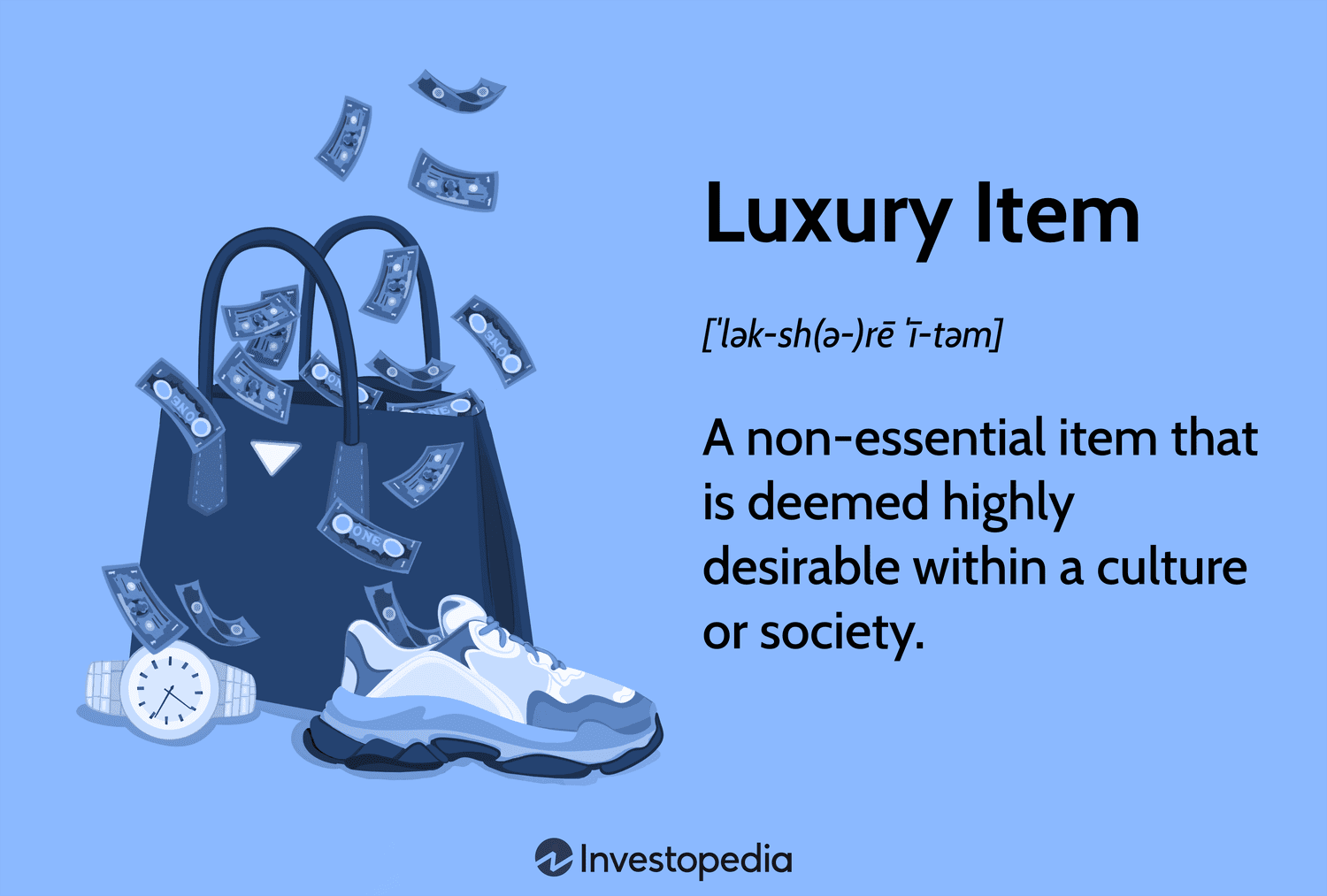
Another key principle is the need for perceived exclusivity. Luxury brands meticulously control supply, often producing less than the market demands. This artificial scarcity, as seen with limited edition watches or exclusive handbag waitlists, fuels desire and maintains high price points. The goal is not to sell to everyone, but to sell to the right someone. This creates a powerful economic moat that mass-market brands cannot easily cross.
## The Psychology Behind the Purchase: More Than a Product
Why do people pay a significant premium for a luxury item? The transaction is rarely about the physical product alone. Luxury good economics is deeply intertwined with emotional and social psychology.
Purchases are driven by aspirational identity, the desire for belonging to an elite group, and the pursuit of craftsmanship and heritage. A luxury watch tells time, but its primary function is to tell a story about the wearer. According to a report by Bain and Company, over 60% of luxury purchases are influenced by brand heritage and the emotional value it provides. This emotional layer creates inelastic demand—consumers are less sensitive to price changes because they are buying an experience and an identity.
## Key Strategies of Successful Luxury Brands
Successful luxury companies do not compete on features or price. They compete on narrative, access, and aura. Their strategies are deliberate and often take decades to execute.
First, they build an unshakable brand story rooted in history, craftsmanship, or a visionary founder. Second, they control the entire customer journey, from a meticulously designed flagship store to personalized after-sales service. Third, they engage in selective distribution, avoiding markdowns and over-exposure. Fourth, they master the art of brand extensions, carefully moving into new categories like perfumes or homeware without diluting the core brand equity. Each decision is filtered through the lens of long-term brand value, not short-term sales volume.
## Luxury vs. Premium: A Critical Economic Distinction
A common mistake is to confuse luxury goods with simply expensive or premium goods. In economic terms, they are different categories. The table below clarifies the key distinctions.
| ECONOMIC CHARACTERISTIC | TRUE LUXURY GOOD | PREMIUM GOOD |
|---|---|---|
| Primary Demand Driver | Symbolic value, exclusivity, heritage | Superior quality, functionality, performance |
| Price Sensitivity | Low (Veblen Good) | Moderate to High (Normal/Superior Good) |
| Marketing Focus | Brand dream, artistry, legacy | Product features, comparative advantages |
| Distribution Model | Exclusive, controlled, direct-owned boutiques | Selective retail, wider availability |
| Example | A handcrafted Birkin bag by Hermes | A high-performance Dyson vacuum cleaner |
This distinction is vital. A premium product justifies its price with tangible benefits. A luxury product transcends justification—its price is part of its essence.
## The 5-Step Framework for Analyzing Any Luxury Brand
How can you apply luxury good economics to evaluate a brand? Follow this five-step analytical framework.
STEP 1: ASSESS THE BRAND STORY. Is it authentic, rich, and consistently communicated? Does it create an emotional resonance beyond the product?
STEP 2: EVALUATE PRICING POWER. Can the brand increase prices annually without losing its core clientele? This is a direct test of its Veblen good status.
STEP 3: AUDIT DISTRIBUTION CONTROL. Does the brand own its retail channels? How selective is its wholesale network? Over-distribution is a primary killer of luxury aura.
STEP 4: ANALYZE PRODUCT TIERS. Look for a “bridge” product strategy—like entry-level perfumes—that attracts aspirational customers without cannibalizing the core high-end lines.
STEP 5: MONITOR CULTURAL RELEVANCE. Is the brand successfully engaging new generations while retaining its heritage? A study by McKinsey found that by 2025, Generation Z and Millennials will account for 70% of the global luxury market.
Based on my experience consulting for retail groups, the brands that consistently score high across all five steps are the ones that maintain resilience during economic downturns. Their customer relationship is built on more than transactions.
## Common Pitfalls and Warning Signs in the Luxury Sector
The path of luxury good economics is fraught with risks. One major pitfall is over-expansion, either geographically or through product lines. This can quickly dilute the brand’s exclusive image. Another is over-reliance on logo-driven products, which can make the brand vulnerable to shifting fashion trends and appear less timeless.
A critical warning sign is frequent discounting. Once a luxury brand becomes associated with sales, it is incredibly difficult to reclaim its premium price positioning. The brand starts competing in the premium space, where it may not have a functional advantage. Furthermore, neglecting digital channels is a modern misstep. The online experience must reflect the brand’s luxury ethos, serving as a digital flagship, not just a transactional website.
## The Future of Luxury: Sustainability and Digital Realms
The economics of luxury are evolving. Two major forces are reshaping the landscape: sustainability and digitalization. Conscious consumerism is pushing brands to integrate ethical sourcing and environmental responsibility into their core narrative—not as a marketing add-on, but as a fundamental value. This is becoming a new dimension of quality.
Simultaneously, the rise of digital collectibles and immersive experiences in the metaverse presents both a challenge and an opportunity. Luxury brands are experimenting with NFTs for digital fashion and virtual goods, creating new realms of exclusivity and ownership. The economic principles of scarcity and status are being translated into digital code.
## Your Actionable Checklist for Luxury Market Analysis
Use this checklist to apply the concepts of luxury good economics to any brand or investment decision.
IDENTIFY THE CORE BRAND NARRATIVE AND ITS AUTHENTICITY.
CONFIRM THE PRESENCE OF PRICING POWER AND LOW PRICE SENSITIVITY.
EXAMINE THE BRAND’S CONTROL OVER ITS DISTRIBUTION AND RETAIL ENVIRONMENT.
DIFFERENTIATE BETWEEN TRUE LUXURY AND PREMIUM POSITIONING USING THE TABLE ABOVE.
EVALUATE THE BRAND’S STRATEGY FOR CULTURAL AND GENERATIONAL RELEVANCE.
ASSESS HOW THE BRAND IS ADAPTING TO SUSTAINABILITY AND DIGITAL INNOVATION.
AVOID BRANDS SHOWING SIGNS OF OVER-EXPANSION OR FREQUENT DISCOUNTING.
REMEMBER THAT IN LUXURY GOOD ECONOMICS, PERCEPTION OF VALUE OFTEN TRUMPS INTRINSIC COST.
The world of luxury good economics reveals that value is a complex construct, woven from stories, scarcity, and social signaling. By understanding these unique economic rules, you gain a powerful lens to decode market success and build strategies that resonate in the high-stakes world of luxury.