





# The Ultimate Guide to Suji Name in English: Flour, Semolina, and Everything You Need to Know
If you have ever followed an Indian, Pakistani, or Bangladeshi recipe, you have likely encountered the ingredient “suji.” You might find yourself searching for “suji name in english” to understand what it is and where to find it in your local grocery store. This common query points to a simple yet fascinating ingredient with a rich culinary history. This guide will not only answer that question but also dive deep into its types, uses, and how to master cooking with it.
The direct answer is that suji is most commonly known in English as semolina. However, this single translation opens a door to a world of confusion because the terms semolina, sooji, rava, and cream of wheat are often used interchangeably, yet they can refer to slightly different products. Understanding these nuances is key to replicating authentic dishes. Semolina itself is the coarse, purified wheat middlings of durum wheat, primarily used in making pasta and couscous. In South Asian cooking, a similar product, often made from softer wheat varieties, is called suji or rava and is used for sweets, savory dishes, and breakfast porridges.
This guide will serve as your complete resource. We will clarify the naming confusion, explore its nutritional profile, and provide practical cooking tips. Whether you are a home cook trying a new recipe or a food enthusiast curious about global ingredients, you will find the answers here.
# What Exactly Is Suji? Breaking Down the Names
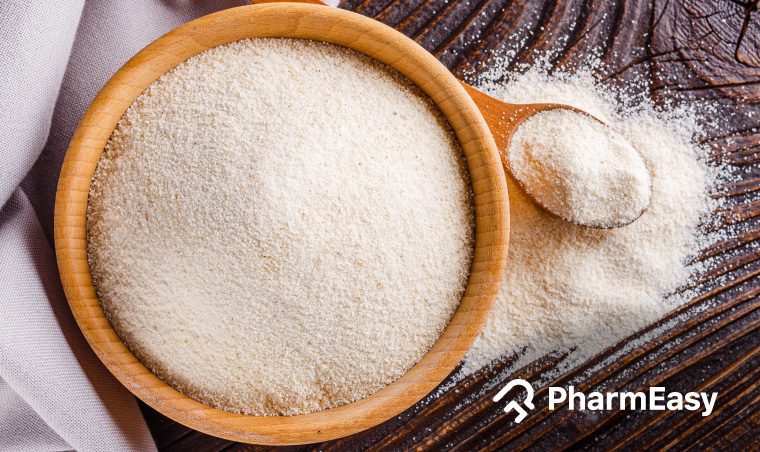
The search for “suji name in english” often leads to multiple answers, which can be confusing. Let us clarify the terminology.
SEMOLINA is the broad English term for the coarse flour made from durum wheat. It is golden yellow in color and has a gritty, sandy texture. This is the high-protein wheat used to make dried pasta, giving it that firm al dente bite. When a recipe from Italy or the Mediterranean calls for semolina, this is what they mean.
SOOJI or SUJI is the Hindi/Urdu term for a product very similar to semolina. In many cases, especially outside South Asia, “semolina” and “suji” refer to the same product on the supermarket shelf. However, traditional suji used in homes might be made from a softer wheat variety, resulting in a slightly finer texture that cooks faster, ideal for dishes like upma or halwa.
RAVA is the term commonly used in South Indian states. It is essentially the same as suji. There is also “Bombay rava,” which is a bit finer, and “coarse rava,” which is closer to the traditional semolina texture.
CREAM OF WHEAT is an American brand of finely ground wheat porridge. Its texture is much smoother and powder-like compared to the gritty feel of semolina. While it can be a substitute in some recipes like porridge, it will not provide the same texture for dishes like rava dosa or upma.
Here is a quick comparison to visualize the differences:
| Name | Primary Wheat Type | Texture | Common Culinary Use | Region |
|---|---|---|---|---|
| Semolina | Durum Wheat | Coarse, Gritty | Pasta, Couscous, Bread | Italy, Mediterranean |
| Suji/Sooji | Durum or Soft Wheat | Medium to Coarse | Halwa, Upma, Savories | North India, Pakistan, Bangladesh |
| Rava | Durum or Soft Wheat | Fine to Coarse (varies) | Dosa, Upma, Idli | South India |
| Cream of Wheat | Soft Wheat | Very Fine, Powdered | Breakfast Porridge | North America |
# Nutritional Profile of Suji Semolina: Is It Healthy?
Understanding the suji name in english is one thing, but knowing its health impact is another. Semolina, or suji, offers a distinct nutritional profile. It is a good source of energy-providing complex carbohydrates and contains more protein compared to all-purpose flour. A 100-gram serving of uncooked, enriched semolina provides approximately 360 calories, 13 grams of protein, and 2.5 grams of fiber (source: USDA FoodData Central).
It is often enriched with iron and B vitamins like folate. The protein in durum wheat semolina is primarily gluten, which means it is not suitable for those with celiac disease or gluten intolerance. However, for others, it can be a satisfying ingredient that helps keep you full due to its protein and fiber content. An interesting point is that its glycemic index is moderate, meaning it raises blood sugar levels more slowly than refined flours, especially when consumed as part of a dish with vegetables and proteins.
# How to Cook with Suji Semolina: A Step-by-Step Guide
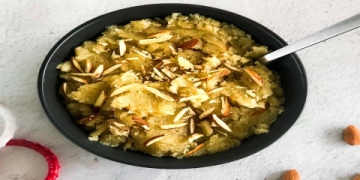
Now that you have identified your suji in english, what can you do with it? Its unique texture makes it incredibly versatile. Here is a fundamental guide to making perfect suji halwa, a classic and beloved dessert.
STEP 1: GATHER YOUR INGREDIENTS. You will need 1 cup of suji (semolina), 1/2 cup of ghee (clarified butter), 1 cup of sugar, 3 cups of water, and a handful of nuts and raisins for garnish.
STEP 2: ROAST THE SUJI. This is the most critical step. Heat the ghee in a heavy-bottomed pan on medium heat. Add the suji and roast it, stirring continuously. You must do this patiently for 8-10 minutes until the suji turns a deep golden brown and releases a nutty aroma. Under-roasting will leave a raw taste, while burning will make it bitter.
STEP 3: PREPARE THE SUGAR SYRUP. While the suji is roasting, combine the sugar and water in another pot. Heat until the sugar dissolves completely. You do not need a thread consistency; just a simple syrup.
STEP 4: COMBINE CAREFULLY. Once the suji is perfectly roasted, slowly and carefully pour the hot sugar syrup into the pan. BE CAUTIOUS, as it will splutter vigorously. Stir immediately to prevent lumps from forming.
STEP 5: COOK TO PERFECTION. Reduce the heat to low. Continue stirring as the suji absorbs all the liquid and the mixture thickens. It will pull away from the sides of the pan. This takes about 3-5 minutes.
STEP 6: GARNISH AND SERVE. Turn off the heat. Garnish with fried nuts and raisins. Serve hot.
# Common Mistakes and Misconceptions About Suji
A major pitfall when learning about suji name in english is assuming all coarse wheat products are identical. This leads to recipe failures. Here are key warnings.
MISTAKE 1: USING CREAM OF WHEAT FOR SAVORY DISHES. The fine texture of Cream of Wheat will turn your upma into a gluey, mushy paste instead of the desired separate, fluffy grains. Always opt for medium or coarse semolina for savory dishes.
MISTAKE 2: UNDER-ROASTING. As highlighted in the recipe guide, insufficient roasting is the number one reason for halwa tasting bland or raw. Take your time during this step.
MISTAKE 3: IGNORING THE WATER RATIO. The absorption ratio varies between fine and coarse suji. A standard ratio is 1:3 (suji to water), but always check your recipe. Adding all the liquid at once to unroasted suji is a recipe for lumps.
MISTAKE 4: SUBSTITUTING WITH ALL-PURPOSE FLOUR. They are not interchangeable. Suji semolina provides a distinct granular texture that wheat flour cannot replicate.
# Beyond Halwa: Diverse Culinary Uses of Semolina
The utility of suji goes far beyond sweet halwa. In our team’s experience testing global recipes, we have found semolina to be a secret weapon for texture. In baking, a dusting of semolina on the bread peel prevents sticking and gives pizza crusts a delightful crunch. It is the key ingredient in Sicilian semolina gnocchi and forms the base of the popular South Indian breakfast, rava dosa.
In Middle Eastern cuisine, it is used in sweet cakes like basbousa, soaked in syrup. A fascinating use is in binding and coating; its grittiness makes it an excellent coating for fried fish or cutlets, creating a crispier crust than breadcrumbs. The global journey of this one ingredient, known by so many names, is a testament to its versatility.
# Your Suji Semolina Mastery Checklist
To ensure you confidently buy and use suji semolina, follow this practical checklist.
IDENTIFY THE PRODUCT: Look for “Semolina” on the label in the flour or international foods aisle. The texture should feel coarse and sandy.
CHOOSE THE RIGHT GRIND: For savory dishes like upma, choose medium-coarse semolina. For finer cakes or porridge, a finer grind works.
STORE IT CORRECTLY: Keep it in an airtight container in a cool, dry place. Its high oil content can cause it to turn rancid, so for long-term storage, consider the refrigerator.
MASTER THE ROAST: Always roast suji in fat until deeply aromatic and golden before adding liquids.
EXPERIMENT BEYOND SWEETS: Try using it to thicken soups, make a crispy topping for baked fruit, or mix into cookie dough for added texture.
By understanding the true meaning behind suji name in english, you unlock the potential of a world-class ingredient. From perfect halwa to crispy coatings, semolina is a pantry staple worth exploring.