






# The Truth About Homelessness in Saudi Arabia: 5 Essential Facts and Solutions
When people think of Saudi Arabia, images of vast oil wealth, gleaming skyscrapers, and a comprehensive welfare state often come to mind. The concept of homelessness in Saudi Arabia seems contradictory to this narrative. However, the reality is more nuanced. Homelessness exists, but its nature, scale, and the societal and governmental response are unique to the Kingdom’s cultural and economic context. This article delves deep into the issue of homeless Saudi Arabia, separating myth from fact and exploring the systems in place to address it.
Understanding homelessness here requires looking beyond the Western definition of people sleeping on streets. In Saudi society, family and tribal networks are the first line of defense against destitution. Therefore, visible street homelessness is relatively rare compared to other nations. The issue often manifests as hidden homelessness—individuals without a stable, permanent, or adequate place to live, who may be “couch-surfing” or living in severely substandard conditions.
So, what does the landscape of housing insecurity and support look like in the Kingdom? Let us explore the key dimensions.
## The Scope and Nature of Homelessness in the Kingdom
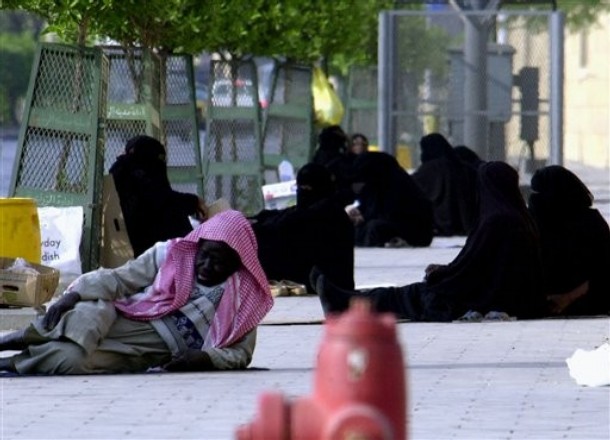
Quantifying homelessness in Saudi Arabia is challenging due to its often-hidden nature and different definitions. Official statistics on street homelessness are not widely published. However, studies and reports point to specific vulnerable groups. A significant focus is on non-nationals. Migrant workers who have lost their jobs, had their passports withheld, or faced exploitation can find themselves stranded without resources or legal status, leading to precarious living situations.
For Saudi citizens, the drivers are different. They can include family disputes, mental health issues, debt, and the high cost of living in major cities despite government support. The Saudi government, through the Ministry of Human Resources and Social Development, operates a robust social protection system. This includes the Citizen’s Account Program for cash transfers and the Sakani program to facilitate home ownership. Yet, gaps can remain, particularly for those who fall through the cracks of these large systems or face acute personal crises.
## Government Initiatives and Social Welfare Programs
The Saudi state has implemented several ambitious programs aimed at preventing homelessness and promoting housing stability. These are central to any discussion about addressing homeless Saudi Arabia.
THE SAKANI PROGRAM: This is a flagship initiative under the Vision 2030 umbrella, aimed at increasing home ownership among Saudi families to 70% by 2030. It provides financing solutions, subsidized mortgages, and ready-made housing units. By making property ownership more accessible, it tackles one of the root causes of potential housing insecurity.
SOCIAL PROTECTION SYSTEMS: The Citizen’s Account is a direct cash transfer program designed to support low and middle-income families with the cost of living. For those at risk of homelessness due to financial hardship, this regular support can be a critical lifeline. Furthermore, the Ministry of Human Resources and Social Development runs social care homes and provides assistance to families in need, including mediation for family disputes that could lead to someone leaving their home.
## Charitable Organizations and Community Support
Beyond government efforts, Islamic philanthropy plays a monumental role. Zakat, the obligatory almsgiving, and Sadaqah, voluntary charity, form a massive decentralized welfare network. Thousands of charitable associations across the Kingdom channel these funds to those in need, including individuals and families facing housing crises.
These organizations often provide immediate aid: paying overdue rent, offering temporary shelter, settling utility debts, or providing food and clothing. This community-based safety net is agile and culturally embedded, often reaching people who might not formally engage with government entities. Their work is crucial in mitigating situations that could otherwise lead to someone becoming homeless in Saudi Arabia.
## A Comparative Look: Support Systems for Different Groups
The experience and available resources differ significantly between Saudi citizens and foreign residents. The following table outlines the key distinctions:
| Support Aspect | Saudi Citizens | Foreign Residents (Expatriates) |
|---|---|---|
| Primary Safety Net | Government welfare programs (Citizen’s Account, Sakani) and extended family/tribe. | Employment contract, employer sponsorship (Kafala), and personal savings. |
| Access to State Housing Aid | Eligible for programs like Sakani for home ownership and social housing support. | Generally not eligible for citizen-focused housing programs. |
| Role of Charities | Can receive comprehensive aid from local charitable associations. | May receive limited emergency aid (food, basic necessities), but long-term housing support is rare. |
| Risk Factors for Homelessness | Family breakdown, debt, mental health, gaps in accessing welfare. | Job loss, passport confiscation, contract violations, inability to renew residency (Iqama). |
| Legal Recourse | Access to free legal aid and government dispute resolution. | Dependent on labor offices and embassy intervention; process can be complex. |
## A 5-Step Guide for Someone Facing a Housing Crisis in Saudi Arabia
If you or someone you know is at risk of homelessness in Saudi Arabia, taking structured steps can help navigate the support systems available.
STEP 1: IMMEDIATE FAMILY AND COMMUNITY OUTREACH. Do not underestimate the power of the social fabric. Reach out to immediate family, extended relatives, or close friends. In Saudi culture, this is the expected and most effective first line of support for citizens. For expatriates, contact your immediate community or cultural association.
STEP 2: CONTACT RELEVANT GOVERNMENT AUTHORITIES. For citizens, visit or call the Ministry of Human Resources and Social Development. They can assess your eligibility for financial aid, social counseling, or temporary shelter. For expatriates facing labor issues, the Ministry of Human Resources and Social Development’s labor office should be your first port of call to report contract violations or unpaid wages.
STEP 3: SEEK ASSISTANCE FROM CHARITABLE ORGANIZATIONS. Locate a registered charitable association in your city. Organizations like the Saudi Red Crescent Authority or local humanitarian societies provide emergency assistance. They can often help with urgent bills, including rent, to prevent eviction.
STEP 4: EXPLORE LEGAL OPTIONS AND EMBASSY SUPPORT. Understand your legal rights. Citizens can seek free legal advice. Expatriates must contact their home country’s embassy or consulate immediately if they are stranded or abused. Embassies can offer advice, facilitate communication, and in extreme cases, assist with repatriation.
STEP 5: UTILIZE DIGITAL GOVERNMENT PLATFORMS. Access services online through the unified government platform, Absher (for citizens) or the Muqeem portal (for residents). Many services, including applying for social benefits or checking residency status, can be initiated online, saving crucial time and effort.
## Common Misconceptions and Important Warnings
A critical warning for anyone researching this topic: be extremely cautious of online scams. Fraudulent individuals or websites may prey on those desperate for housing or financial aid, especially expatriates. Never wire money to secure housing you have not seen in person, and always verify the legitimacy of a charity or agency through official government channels like the Ministry of Human Resources and Social Development website.
Furthermore, a major misconception is that homelessness in Saudi Arabia is non-existent. As we have seen, it exists but in forms shaped by local culture. Another misconception is that all homeless individuals are foreign workers. While they are a highly vulnerable group, Saudi citizens also face housing instability due to complex personal and socioeconomic factors. Assuming otherwise hinders a comprehensive solution.
From my experience analyzing social systems, the Saudi model presents a fascinating case study. We have observed that a blend of strong government initiative and deep-rooted community charity creates a multi-layered safety net. However, the effectiveness relies heavily on individuals knowing how to access these layers. Public awareness of the steps outlined above is just as important as the programs themselves.
The conversation around homeless Saudi Arabia is evolving. With Vision 2030’s focus on social development and quality of life, there is increasing attention on strengthening support for all segments of society. Continued efforts to identify gaps, support mental health services, and ensure the protection of foreign workers’ rights will be key to further reducing housing insecurity in the Kingdom.
## Your Actionable Checklist on Homelessness in Saudi Arabia
To consolidate the information, here is a practical checklist for understanding and addressing the issue:
FACT ONE: Recognize that homelessness in Saudi Arabia often takes “hidden” forms, like couch-surfing or living in inadequate housing, rather than widespread street sleeping.
FACT TWO: The Saudi government’s primary tools are the Sakani home ownership program and the Citizen’s Account cash transfer system for citizens.
FACT THREE: Islamic charity through local associations is a massive, decentralized force providing immediate emergency aid to those in crisis.
FACT FOUR: Expatriate workers are uniquely vulnerable due to their dependency on the Kafala sponsorship system and face different risks than citizens.
FACT FIVE: The first response for anyone at risk should be to tap into family, community, then official government and charitable channels in a structured sequence.
ACTION STEP: Always verify the legitimacy of any organization offering help through official ministry websites to avoid scams.
ACTION STEP: For expatriates, maintain open communication with your embassy and keep your documents secure to mitigate risks.
(来源: Saudi Vision 2030 documents, Ministry of Human Resources and Social Development portal)
(来源: International Labour Organization reports on migrant workers in the Gulf region)