# The Ultimate Guide to Besan Flour in English: Names, Uses, and 5 Essential Recipes
You are holding a bag of golden-yellow powder labeled “besan,” but your English recipe calls for something else. What is besan flour in English? This simple question opens the door to a world of culinary tradition, health benefits, and incredible versatility. This guide provides the definitive answer, going far beyond a basic translation to explore everything you need to know about this gluten-free pantry staple.
The most direct and accurate answer is that besan flour in English is called **gram flour**. More specifically, it is **chickpea flour**. It is made from ground chickpeas, also known as Bengal gram or garbanzo beans. This flour is a cornerstone in Indian, Pakistani, Bangladeshi, and Middle Eastern cuisines, but its uses are truly global.
## Understanding the Core: What Exactly Is Besan?
Besan is not made from wheat. It comes from a type of small, dark chickpea known as *chana dal* or Bengal gram. These chickpeas are split, skinned, and then finely ground into a smooth powder. The process gives besan its distinctive nutty, earthy flavor and dense nutritional profile. It is naturally gluten-free and packed with protein and fiber.
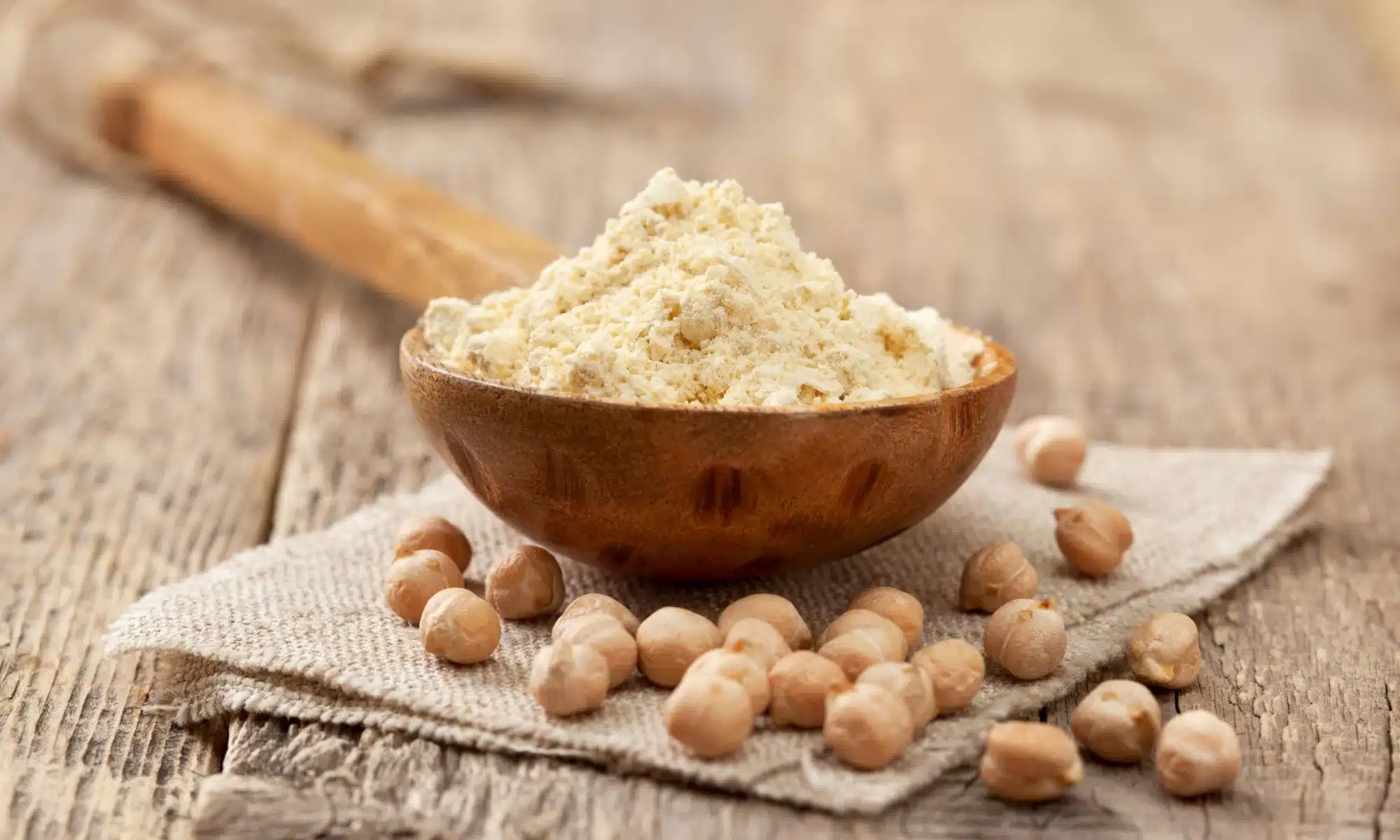
Interestingly, there is a slight nuance. While “chickpea flour” can sometimes be made from the larger, lighter-colored garbanzo beans common in Mediterranean cooking, “gram flour” or “besan” specifically refers to flour from the smaller, darker desi chickpea. For most culinary purposes, they are interchangeable, but traditional recipes rely on besan for its authentic taste and binding properties.
## Gram Flour vs. Other Flours: A Clear Comparison
To avoid kitchen confusion, here is a breakdown of how besan (gram flour) compares to other common flours. This HTML table clarifies the key differences.
| Flour Type | Primary Source | Gluten Content | Key Culinary Uses | Flavor Profile |
|---|---|---|---|---|
| Gram Flour (Besan) | Chickpeas (Bengal Gram) | Gluten-Free | Batters, fritters, flatbreads, binding agent | Nutty, earthy, robust |
| All-Purpose Wheat Flour | Wheat | High in Gluten | Breads, pastries, general baking | Neutral, mild |
| Almond Flour | Blanched Almonds | Gluten-Free | Low-carb baking, macarons | Sweet, nutty |
| Rice Flour | Milled Rice | Gluten-Free | Asian noodles, mochi, crispy coatings | Very mild, slightly gritty |
## Why You Should Have Besan in Your Kitchen: Benefits and Uses
The popularity of besan flour in English-speaking kitchens is soaring, and for good reason. Its benefits extend from health to practicality.
NUTRITIONAL POWERHOUSE: Gram flour is rich in plant-based protein, making it excellent for vegetarian and vegan diets. A 100-gram serving provides about 22 grams of protein and 11 grams of dietary fiber. It is also a good source of essential minerals like iron, magnesium, and folate. A study published in the Journal of Food Science and Technology highlighted its potential in managing blood sugar levels due to its low glycemic index and high fiber content.
CULINARY VERSATILITY: Its binding quality makes it a perfect egg substitute in vegan cooking. A simple mix of besan and water can mimic eggs in batters and burgers. It is also the secret to incredible crispiness. When mixed with water and spices, it creates a coating that fries up light and crunchy for pakoras and onion bhajis.
SKINCARE SECRET: Beyond the kitchen, besan has been used in Ayurvedic skincare for centuries. Mixed with turmeric and yogurt or milk, it creates a cleansing and exfoliating face mask. According to my experience working with nutritionists and chefs, this traditional use is gaining modern validation for its gentle effectiveness.
## A Common Pitfall to Avoid
WARNING: DO NOT CONFUSE BESAN WITH OTHER BEAN FLOURS.
A frequent mistake is substituting besan with flours made from other legumes, like fava bean flour or yellow pea flour. While they may look similar, their flavor profiles and behaviors in recipes are distinctly different. Using the wrong flour can result in a bitter taste or a batter that doesn’t bind correctly. Always check the label for “chickpea flour,” “gram flour,” or “besan.”
## How to Cook with Gram Flour: A 5-Step Beginner’s Guide
Ready to use your gram flour? Follow this simple guide to master the basics.
STEP 1: DRY ROAST FOR DEPTH. Before using it in dough or dry mixes, lightly roast the flour in a dry pan over medium heat for 3-5 minutes. Stir constantly until it becomes fragrant. This step removes raw flavor and enhances its nuttiness.
STEP 2: MASTER THE BASIC BATTER. For fritters like pakora, combine 1 cup besan, 1/2 teaspoon turmeric, 1 teaspoon chili powder, salt, and a pinch of baking soda. Gradually add about 3/4 cup water to make a thick, coating batter.
STEP 3: REST THE BATTER. Let your mixed batter sit for 15-20 minutes. This allows the flour to fully hydrate and results in a smoother, crispier texture when fried.
STEP 4: CONTROL CONSISTENCY. The batter should be thick enough to coat the back of a spoon. If it’s too thin, add a little more flour. If too thick, add water by the teaspoon.
STEP 5: FRY AT THE RIGHT TEMP. Heat oil to 350-375°F (175-190°C). Frying at the correct temperature ensures the fritters cook through without absorbing excess oil or burning.
## 5 Essential Recipes to Start With
1. CHILA (Savory Chickpea Pancakes): A quick, protein-packed breakfast. Mix besan with water, chopped onions, tomatoes, cilantro, and spices. Cook like a thin pancake on a greased skillet.
2. BESAN LADOO (Sweet Protein Balls): A traditional Indian sweet. Roast besan in ghee until golden, mix with powdered sugar and cardamom, and shape into balls.
3. VEGAN OMELETTE: A brilliant egg-free alternative. A batter of besan, nutritional yeast, black salt (kala namak), and vegetables cooked in a pan creates a convincing and satisfying omelette.
4. BINDER FOR VEGGIE BURGERS: Add 2-3 tablespoons of besan to your mashed bean or lentil burger mix. It absorbs moisture and helps hold the patty together during cooking.
5. GLUTEN-FREE THICKENER: Use it as a roux for soups and stews. Cook it in oil or butter for a minute before adding liquid to avoid a raw taste, similar to how you would use wheat flour.
The global pulse flour market, which includes chickpea flour, is projected to grow significantly, driven by demand for gluten-free and plant-based foods (source: Market Research Future). This trend underscores the shift towards versatile, health-conscious ingredients like besan.
## Your Besan Flour Mastery Checklist
Now that you know what besan flour is in English and how to use it, here is your practical checklist. Ensure you have completed these actions to become a gram flour expert.
IDENTIFY IT CORRECTLY: You can confidently find it in stores labeled as Gram Flour or Chickpea Flour.
UNDERSTAND ITS NATURE: You know it is gluten-free, high in protein, and made from chickpeas.
PERFORM THE ROAST TEST: You have dry-roasted a small amount to experience the aroma transformation.
MASTERED ONE BATTER: You have successfully mixed and fried a basic besan batter for fritters or pancakes.
EXPLORED A NEW USE: You have used it in one non-traditional way, like as a thickener or in a vegan recipe.
STORED IT PROPERLY: You keep your besan in an airtight container in a cool, dark place to maintain freshness.
By moving beyond just the translation, you have unlocked the potential of gram flour. This humble ingredient is more than just besan flour in English; it is a key to healthier cooking, global flavors, and culinary creativity. Your kitchen is now more versatile than ever.