





# The Ultimate Guide: How Much Does It Cost to Get a Chain Fixed? (2024 Prices)
You are holding a broken necklace or a bracelet with a snapped link. The immediate question is, how much does it cost to get a chain fixed? The answer is not a single number. It depends on many factors, from the type of metal to the complexity of the repair. This guide will break down all the costs, so you know exactly what to expect and how to avoid overpaying.
Understanding the cost is crucial for making an informed decision. A simple solder on a gold chain is very different from re-tipping a platinum necklace with a diamond clasp. We will explore every variable.
## Understanding the Core Factors That Determine Repair Cost
The final price tag for chain repair is a combination of several key elements. Think of it like a formula.
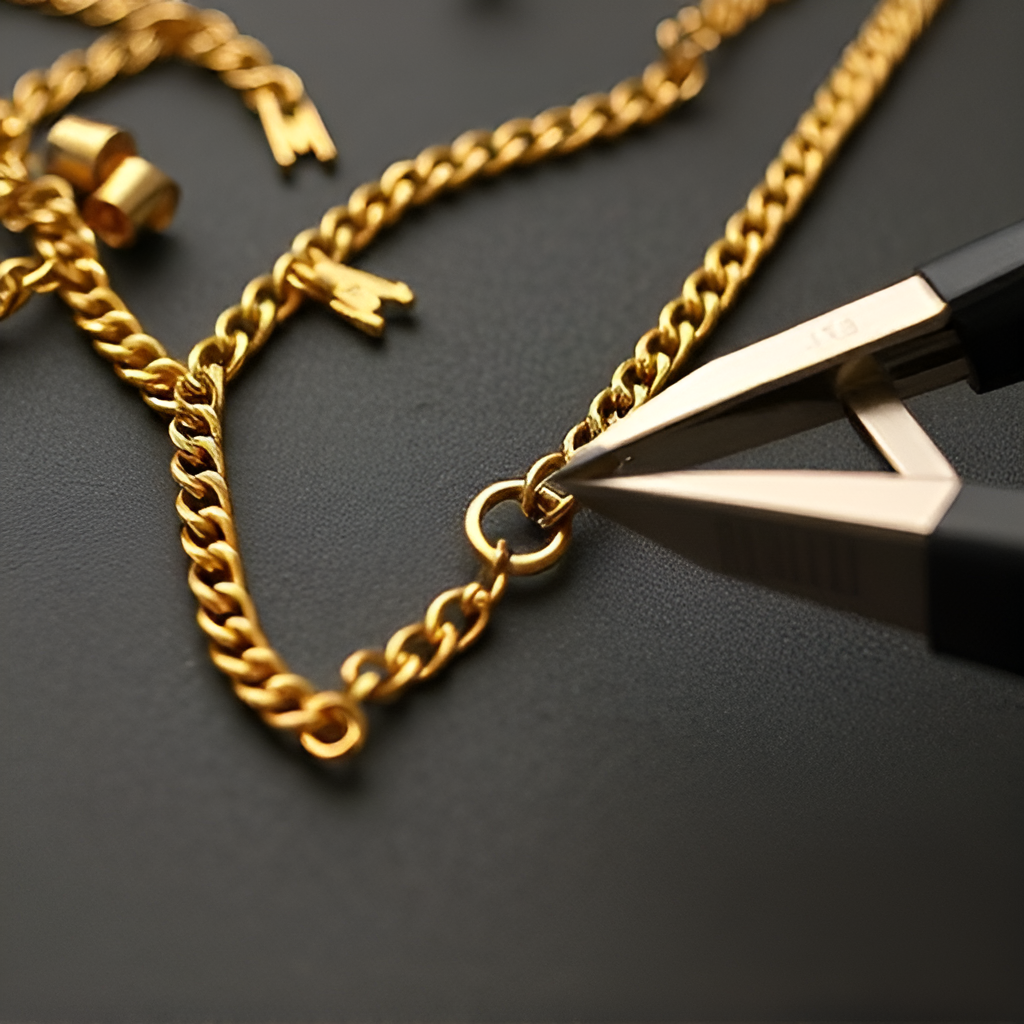
First, the metal type is the biggest cost driver. Precious metals like gold, platinum, and sterling silver require specialized skills and materials. The current market price of the metal directly affects labor costs. For example, a jeweler working with platinum needs higher heat and more expertise.
Second, the complexity of the break dictates labor time. A clean break in a simple link is a quick fix. A crushed or mangled link, or a break in a complex woven chain, requires reconstruction. More time equals a higher cost.
Third, the need for additional parts plays a role. If a clasp is broken or a jump ring is missing, you will pay for the new component plus the labor to attach it. A simple spring ring clasp costs little, but a custom-made white gold box clasp is a significant addition.
## A Detailed Price Breakdown by Repair Type
Here is a realistic look at current average prices in the United States for common chain repairs. These are estimates; always get a formal quote from your jeweler.
SOLDERING A BROKEN LINK: This is the most common fix for a clean break.
– Basic Gold or Silver Chain: $35 – $75
– Thick or Heavy Gold Chain: $75 – $150
– Platinum Chain: $100 – $250
REPLACING A MISSING LINK: If a link is lost, the jeweler must make a new one.
– Simple Link Matching: $50 – $120
– Complex or Patterned Link Matching: $120 – $300+
REPAIRING OR REPLACING A CLASP: Clasps are a frequent point of failure.
– Re-tipping (adding new metal to worn ends): $20 – $60
– Replacing a Spring Ring or Lobster Claw Clasp: $25 – $50 (plus part cost)
– Replacing a Fancy or Diamond Clasp: $100 – $500+ (plus part cost)
SHORTENING OR LENGTHENING A CHAIN: Adjusting the length involves cutting and re-soldering.
– Per adjustment point: $40 – $100
## Gold Chain Repair vs. Silver Chain Repair: A Cost Comparison
To visualize the cost difference clearly, here is a comparison table for the same repair on different metals.
| Repair Type | Sterling Silver Chain (Average Cost) | 14K Gold Chain (Average Cost) | Platinum Chain (Average Cost) |
|---|---|---|---|
| Soldering a Simple Break | $30 – $60 | $45 – $90 | $100 – $200 |
| Replacing a Standard Clasp | $20 – $40 (part + labor) | $40 – $80 (part + labor) | $80 – $150 (part + labor) |
| Adding 2 Inches (Lengthening) | $50 – $80 | $75 – $150 | $150 – $300 |
| Complex Link Reconstruction | $80 – $150 | $120 – $300 | $250 – $500+ |
As you can see, the metal type creates a significant price tier. Platinum work is consistently the most expensive due to its high melting point and material cost.
## The 5-Step Process to Get Your Chain Fixed Professionally
Follow this guide to ensure a smooth and successful repair experience.
STEP 1: INITIAL ASSESSMENT. Carefully examine the broken chain. Note exactly where it is broken and if any pieces are missing. Take clear photos.
STEP 2: FIND A REPUTABLE JEWELER. Look for a jeweler with specific repair bench services. Check online reviews and ask for recommendations. A specialist is better than a general retail store.
STEP 3: GET A DETAILED WRITTEN QUOTE. Bring your chain in for an evaluation. A good jeweler will inspect it under a loupe and provide a written estimate that breaks down labor, parts, and any metal charges. The quote should answer precisely how much does it cost to get this specific chain fixed.
STEP 4: UNDERSTAND THE TIMELINE AND GUARANTEE. Ask how long the repair will take and if the work is guaranteed. A standard guarantee covers the repair work for 6 months to a year. Get this in writing.
STEP 5: FINAL INSPECTION UPON PICKUP. When you collect your chain, inspect it thoroughly under good light. Check the soldered point for smoothness and ensure the clasp works perfectly before leaving the store.
## Common Pitfalls and How to Avoid Overpaying
WARNING: AVOID THESE COMMON MISTAKES.
One major pitfall is not getting a detailed quote. A vague verbal estimate can lead to surprise fees. Insist on a written breakdown.
Another mistake is choosing a jeweler based on price alone. The cheapest option might use inferior solder or lack the skill for a durable repair, leading to another break soon. According to a industry survey by Jewelers of America, over 30% of jewelry repairs are redos of previous poor workmanship.
Be wary of jewelers who insist on dipping or cleaning your chain before giving a quote. This can mask the true nature of the break. The assessment should be done on the chain as-is.
Also, for gold chains, understand the karat. A 14K gold chain repair should use 14K solder. Using a lower-karat solder to save cost weakens the joint and can change the color. Always ask what solder will be used.
## DIY vs. Professional Repair: When to Save and When to Spend
For very simple, low-value costume jewelry, a DIY kit with pliers and jump rings might suffice. The cost is under $20.
However, for any precious metal chain, professional repair is non-negotiable. The risks of DIY are high. You can damage the chain further, use toxic materials, or create a weak joint that fails and causes loss. The cost to fix a DIY-gone-wrong is always higher than the original professional repair quote. Investing in a professional ensures the integrity and value of your piece are maintained.
## The Impact of Chain Value and Sentiment on Repair Decisions
Sometimes, the decision to repair isn’t purely financial. A chain with high sentimental value is priceless. In my experience, clients often choose to repair heirloom pieces even when the cost approaches the item’s metal value, because the emotional value is irreplaceable.
For high-value chains, insurance is a key consideration. Check your policy; many require repairs to be done by certified professionals to maintain coverage. A proper repair receipt from a reputable shop is essential documentation.
## Final Checklist Before You Get Your Chain Fixed
Use this practical checklist to prepare for your jewelry repair.
– CLEANLY IDENTIFY THE BREAK LOCATION AND MISSING PARTS.
– RESEARCH AND SELECT A JEWELER WITH STRONG REPAIR BENCH CREDENTIALS.
– OBTAIN A WRITTEN, ITEMIZED QUOTE WITH LABOR AND PARTS LISTED.
– CONFIRM THE TYPE OF SOLDER THAT WILL BE USED FOR YOUR METAL.
– VERIFY THE REPAIR TIMELINE AND GET A GUARANTEE IN WRITING.
– INSPECT THE FINISHED REPAIR CAREFULLY BEFORE ACCEPTING IT.
– KEEP ALL RECEIPTS AND DOCUMENTATION FOR INSURANCE RECORDS.
By following this guide, you are equipped to navigate the process confidently. You now understand the factors that determine how much it costs to get a chain fixed, from metal type to labor complexity. You can communicate effectively with your jeweler and ensure your cherished chain is restored beautifully and durably.