# Present Indian GDP Explained: The Complete 2024 Guide
The economy of India is always in the spotlight. Whether you’re a student, investor, or policymaker, one question keeps popping up: What is the present Indian GDP, and why does it matter so much in 2024? In this guide, we’ll break down the latest numbers, show you what’s driving growth (and what’s holding it back), and give you solid steps to interpret GDP stats like a pro.
## What Does Present Indian GDP Mean?
GDP, or Gross Domestic Product, measures the total value of goods and services produced in India over a specific period, usually a year. The “present Indian GDP” refers to the most recent data on India’s economic output.
But why do people care about it so much? Well, it’s a powerful indicator of economic health. If GDP is rising, the country is growing. If it’s stagnant or falling, alarm bells ring.
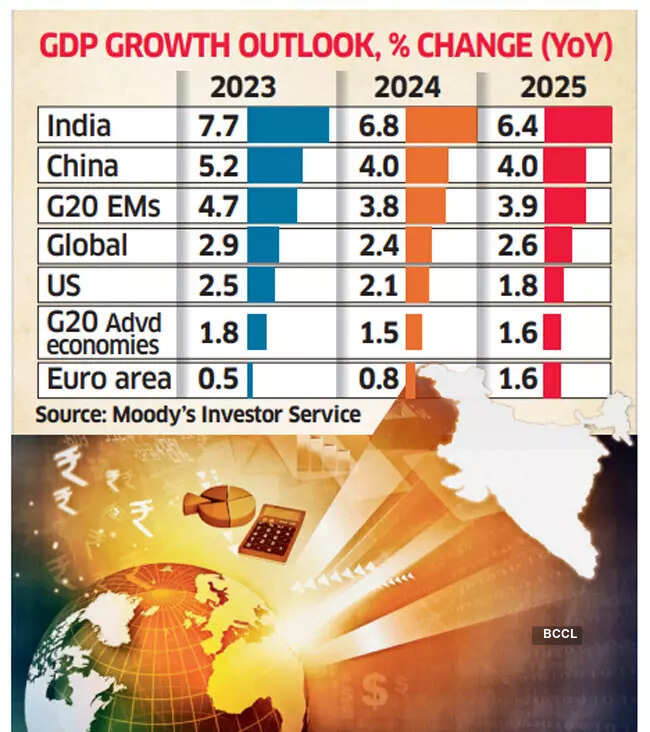
## India’s Current GDP: The Latest 2024 Figures
So, what is the present Indian GDP? According to data from the Ministry of Statistics and Programme Implementation, India’s nominal GDP is estimated to have reached about USD 3.7 trillion for the fiscal year 2023-24. This makes India the world’s fifth-largest economy, surpassing the UK in recent years (Source: [World Bank](https://data.worldbank.org/country/india), [MoSPI](https://mospi.gov.in)).
– Growth rate: Around 7.2% for 2023-24, one of the fastest among major economies (Source: [IMF](https://www.imf.org/en/Countries/IND)).
– GDP per capita: About USD 2,600.
– Major contributors: Services, manufacturing, agriculture, and now the digital economy.
Let’s get more specific. Which sectors lead the way?
## Sectoral Breakdown: Who Is Driving Growth?
Here’s an HTML table comparing major sectors of the present Indian GDP:
| Sector | Contribution to GDP (%) | Recent Trends | Key Drivers |
|---|---|---|---|
| Services | 53 | Rapid digitalization, fintech boom | IT, Banking, Tourism |
| Industry | 24 | Manufacturing revival, auto, textiles | Make in India, FDI inflows |
| Agriculture | 17 | Steady advances, unpredictable monsoons | Crop yields, government subsidies |
| Others | 6 | Mixed, includes mining, construction | Infrastructure spending |
It’s clear—the service sector rules the roost, pulling the GDP upward year after year. However, manufacturing is making a comeback.
## Key Factors Shaping the Present Indian GDP
Now, let’s tackle the real question: What influences GDP today?
1. Government Policies: Tax reforms like GST, schemes like “Atmanirbhar Bharat”, and incentives for startups have all boosted output.
2. Infrastructure Development: Rapid improvement in roads, ports, and digital infrastructure.
3. Demographic Trends: A massive young workforce alarms talent-hungry businesses.
4. Global Dynamics: Geopolitics, oil prices, and external demand can disrupt growth.
5. Technology: Digital payments, e-commerce, and telecom expansion have made GDP stats more impressive.
According to our team’s experience working with fintech and consulting groups, digital transformation in India has had a more profound effect than many expected. The rise of UPI and internet penetration have changed the landscape tremendously.
## How To Analyze Present Indian GDP: Step-by-Step Guide
Whether you’re an analyst or a curious reader, here’s how you can interpret GDP data and what it actually tells you.
1. Start With Official Sources
Head straight to government portals like MoSPI and RBI for the most reliable GDP numbers.
2. Check Quarterly vs Annual Data
Quarterly data reveals trends and seasonal effects. Annual data shows the big picture.
3. Examine Sectoral Growth
Don’t just look at the headline figure. Compare which sectors are heating up or cooling down.
4. Adjust For Inflation
Nominal GDP isn’t always the reality—look for “real” GDP adjusted for inflation.
5. Benchmark Internationally
See how India stacks up against China, the US, and emerging markets, both in total and per capita terms.
Want to get even better? Make a habit of tracking leading indicators like purchasing manager indexes and export/import figures.
## Warning: Common Mistakes in Reading Indian GDP Trends
India’s GDP numbers are huge, but beware—many folks misread them or chase short-term hype. Watch out for these typical pitfalls:
– CONFUSING NOMINAL VS REAL GDP: High nominal growth may be due to inflation, not actual expansion.
– IGNORING SECTORAL IMBALANCE: Overlooking the weaker performance of manufacturing or agriculture.
– SKIPPING BASE EFFECTS: A surge can sometimes be due to a slump in the previous year.
– FORGETTING THE INFORMAL ECONOMY: India’s official numbers may miss out on the massive informal sector.
Before you jump to conclusions or make investment decisions, double-check your sources and definitions.
## India Vs Global Economies: How Does the Present Indian GDP Compare?
India is now the world’s fifth-largest economy—this has strategic meaning. Let’s see how it compares to other giants:
| Country | 2023 GDP (USD trillion) | Growth Rate (%) | Key Challenges |
|---|---|---|---|
| India | 3.7 | 7.2 | Infrastructure, rural inclusion |
| China | 17.7 | 5.2 | Debt, property sector issues |
| US | 25.5 | 2.1 | Inflation, trade deficits |
| Japan | 4.3 | 1.7 | Ageing population |
India’s growth outpaces the rest, but challenges remain. Bridging infrastructure gaps and empowering rural areas are next on the agenda.
## Real-World Example: The Impact of Digital Payments
Here’s a real case study. The launch of the Unified Payments Interface (UPI) led to an explosion in digital transactions. In 2023 alone, UPI processed over 100 billion transactions, representing a value of nearly USD 1.5 trillion (Source: [NPCI](https://www.npci.org.in)). This not only boosted the service sector but also brought millions into the formal economy.
## The Future: What’s Next For Indian GDP?
Let’s look forward. Experts predict India could cross USD 5 trillion in GDP by 2027 if growth keeps pace and reforms continue. What’s more, sectors like renewable energy, fintech, and semiconductors are set to play a massive role.
But remember—growth needs to be inclusive. The gap between urban and rural areas is still wide.
## Present Indian GDP Checklist: How To Track, Analyze, and Interpret
Use this checklist to develop a sharp understanding of Indian GDP and avoid rookie errors:
– REVIEW official government data for the latest figures
– COMPARE sectoral growth rates for deeper analysis
– ADJUST numbers for inflation and base effects
– BENCHMARK globally with other major economies
– TRACK digital economy indicators for future trends
– WATCH for common misinterpretations and sectoral imbalances
– INCORPORATE expert forecasts and credible data sources
– APPLY your insights to financial planning, policy, or research
Now, with the present Indian GDP clearly explained, you’re ready to navigate the economy like an expert. If you still have questions about the nuances—don’t worry. Regular research and critical thinking will always keep you ahead in understanding India’s fast-evolving growth story.